What Leads to Pavement Cracks, Potholes, and Surface Wear
Asphalt damage happens for a few main reasons: water gets into small cracks, heavy traffic weakens the surface, weather causes expansion and shrinkage, and the base under the pavement shifts. The fix depends on the problem. Small cracks can be sealed. Potholes need patching. Large damaged areas may need resurfacing. Fast action helps you avoid bigger and more costly repairs later.
Common Symptoms of Asphalt Damage
You can often spot pavement issues early if you know what to look for. Walk your driveway or parking lot every few months. Look for changes in color, texture, or shape.
- Small cracks that spread in thin lines
- Spiderweb-style cracking called alligator cracks
- Potholes forming in low spots
- Faded gray color instead of deep black
- Standing water after rain
- Edges that crumble or break away
These signs may seem minor at first. But they usually grow worse if left alone.
Likely Causes Behind the Damage
Water is the number one cause of asphalt problems. When water slips into small cracks, it reaches the base layer. If the base gets soft, the asphalt above it starts to sink and crack.
Freeze and thaw cycles also create stress. Water freezes, expands, and pushes asphalt apart. When it melts, gaps are left behind.
Heavy vehicles add pressure. Delivery trucks, dumpsters, and parked trailers can weaken thin pavement over time.
Poor installation is another cause. If the base was not compacted well or the asphalt layer was too thin, early damage is more likely. This often leads to the need for asphalt repair sooner than expected.
What to Check First
Before choosing a fix, look at the size and depth of the damage.
- Are cracks less than a quarter inch wide?
- Is the problem in one small area or spread out?
- Is water draining off the surface correctly?
- Does the surface feel solid when you walk on it?
If cracks are narrow and the base feels firm, sealing may be enough. If the area feels soft or keeps sinking, the base could be failing. That calls for a stronger solution.
Safe Fixes Vs Pro-Level Fixes
Some minor issues can be handled with store-bought products. Crack filler and small patch kits work for light damage. These are short-term fixes and work best in dry weather.
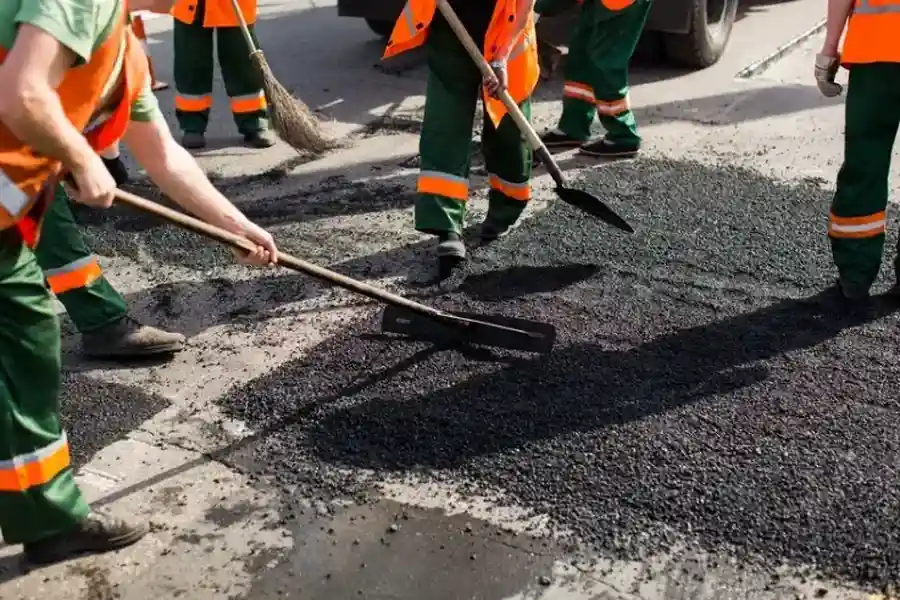
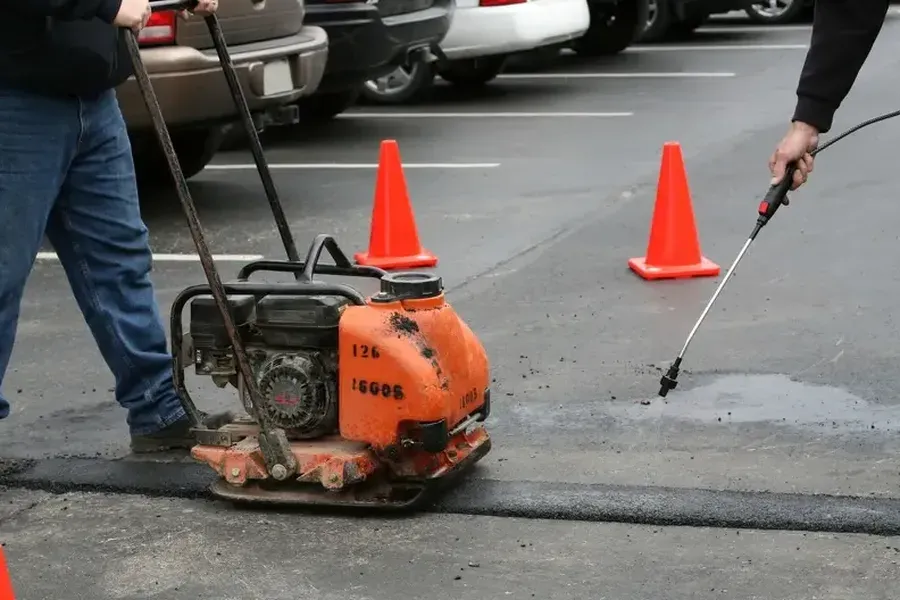
For deeper potholes or large cracked areas, professional asphalt repair is often the safer choice. Contractors remove loose material, rebuild the base if needed, and compact new hot asphalt. This creates a smooth and solid finish.
If more than one-third of the surface is damaged, resurfacing may be better than repeated patching. In severe cases, full replacement is required. A trained team can inspect the site and explain whether repair or replacement makes more sense.
Prevention Tips That Save Money
Regular care can add years to your pavement.
- Sealcoat every few years to block water and sun damage
- Fill small cracks as soon as they appear
- Keep drains and edges clear of debris
- Avoid parking heavy trucks in the same spot daily
- Fix drainage issues that cause standing water
Sealcoating helps protect the surface from UV rays and moisture. Good drainage keeps the base strong. Small steps like these can delay major asphalt repair and keep your property looking clean.
Final Recommendation and Help
If you notice cracks, potholes, or fading pavement in San Jose, CA, acting early can prevent larger problems. Our team at Bayside Paving handles everything from small crack sealing to full asphalt repair for driveways and parking lots. We use proper grading, compaction, and sealcoating methods to extend the life of your surface. Call us at (669) 202-6849 to schedule an inspection and let us help protect your pavement investment.