Fixing Damaged Pavement Reduces Slips, Trips, and Vehicle Hazards
Asphalt patching improves surface safety by repairing potholes, cracks, and weak spots that can cause trips, falls, and vehicle damage. When pavement is smooth and solid again, people can walk safely and drivers can steer without sudden bumps or swerves. Timely repairs also stop small problems from turning into large hazards that cost more to fix later.
Quick Diagnosis: Unsafe Pavement Often Starts Small
Most dangerous pavement problems begin as minor cracks. Over time, water seeps in. Traffic adds pressure. The surface begins to break apart. What was once a thin crack can turn into a deep pothole. Asphalt patching targets these damaged spots before they spread across the surface.
If you notice uneven areas, loose chunks, or fading lines in your parking lot or driveway, safety may already be at risk.
Common Symptoms of Surface Safety Issues
Damaged asphalt does not just look bad. It creates real safety concerns for both pedestrians and drivers. Watch for these warning signs:
- Potholes that collect water
- Cracks wider than a quarter inch
- Loose gravel on the surface
- Sunken or soft spots under tires
- Pooling water after rain
- Uneven edges near sidewalks or curbs
Each of these problems can lead to slips, trips, tire damage, or loss of control while driving. In busy areas, the risk increases fast.
What Causes Pavement to Become Unsafe?
Several factors weaken asphalt over time. Weather plays a major role. Rainwater seeps into cracks and softens the base layer. In colder climates, water can freeze and expand, pushing the surface apart.
Heavy traffic also puts stress on pavement. Delivery trucks, buses, and constant turning movements in parking stalls wear down certain sections faster. Poor drainage makes the issue worse because standing water breaks down the asphalt binder.
Without regular service, small surface damage grows. That is when asphalt patching becomes a key repair method to restore strength and safety.
What to Check First When You Notice Damage
If you spot a problem area, start with a simple check. Look at the size and depth of the damage. Is the crack shallow, or does it go deep into the base? Is water sitting inside the hole? Does the area feel soft under pressure?
Next, check the surrounding surface. If nearby asphalt looks solid, a localized patch may solve the issue. If damage spreads across a wide area, larger repairs may be needed.
Acting early makes repairs faster and more affordable.
Safe Fixes Vs. Professional-Level Repairs
Some property owners try temporary cold patch kits for small holes. These can help for a short time. However, they often wear out quickly in high-traffic areas. A weak repair can break apart and create a bigger trip hazard.
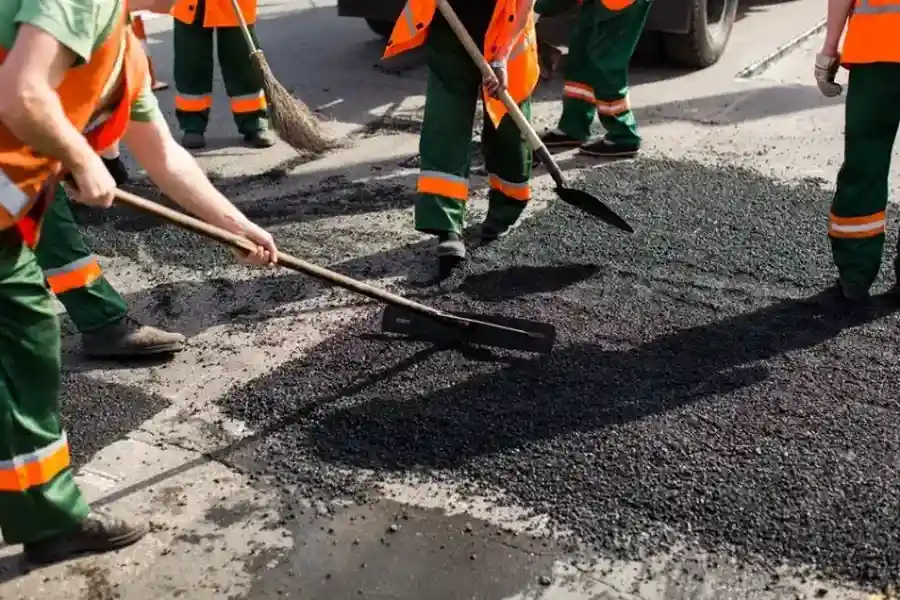
Professional asphalt patching removes damaged material and replaces it with fresh mix that bonds correctly. The steps usually include:
- Cutting out the damaged section
- Cleaning debris and loose material
- Applying bonding agent if needed
- Filling with hot or cold asphalt mix
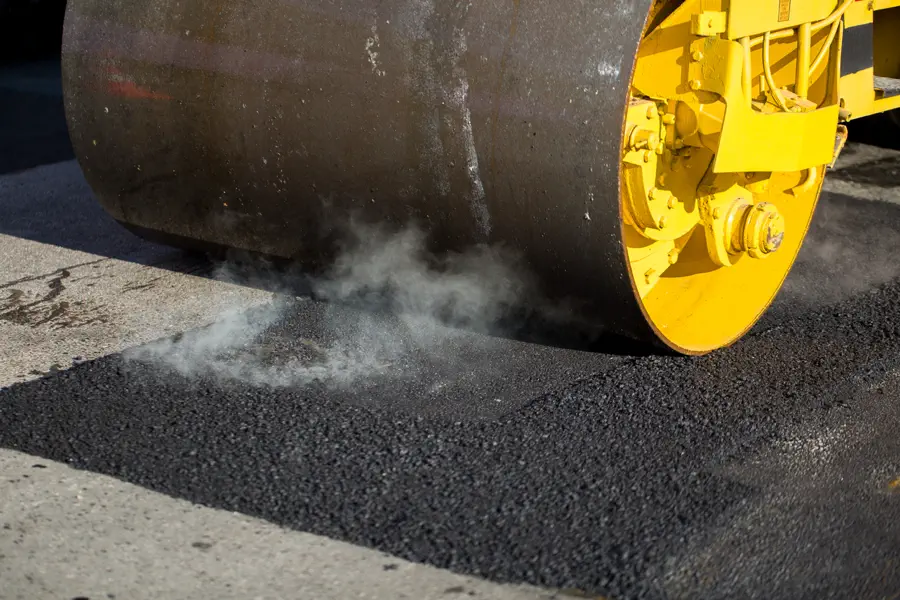
- Compacting the patch evenly
This process creates a smooth, level surface that blends with the surrounding pavement. For areas connected to a larger service category keyword such as parking lot repair, patching often serves as the first step in a broader maintenance plan.
How Asphalt Patching Directly Improves Safety
Level surfaces reduce the risk of trips and falls. This matters in places such as apartment complexes, schools, and retail stores. Customers and employees walk through these areas every day. One loose chunk of asphalt can cause an injury.
For vehicles, smooth pavement means better traction and control. Drivers are less likely to swerve around potholes. Tires and suspension parts last longer. Marked parking lines remain visible and easier to follow when the surface is flat.
Patching also improves drainage. When low spots are filled, water moves toward proper outlets instead of sitting on the surface. Less standing water means fewer slips and less ice during cold weather.
Prevention Tips to Keep Surfaces Safe
Repairs work best when paired with simple maintenance habits. You can extend the life of your asphalt by following these steps:
- Inspect pavement twice a year
- Seal small cracks early
- Keep drains and gutters clear
- Restrict heavy truck traffic when possible
- Schedule sealcoating as needed
These actions lower the chance of sudden failures. Regular care keeps small surface damage from turning into a full safety concern.
When to Schedule Professional Help
If you notice widespread cracks, deep potholes, or repeat problem areas, it is time to call a professional. Large damaged sections often signal base failure under the surface. Surface patching alone may not solve it.
Trained crews can evaluate the depth of the problem and recommend the right repair method. Acting quickly protects visitors, employees, and drivers from avoidable accidents.
Protect Your Property and Visitors
Keeping pavement safe should never be delayed. In San Jose, CA, changing weather and daily traffic can wear down even strong surfaces. At Bayside Paving, we repair unsafe pavement so properties stay smooth and secure. We handle asphalt patching projects of all sizes and focus on long-term durability. Call us at (669) 202-6849 to schedule an inspection or request service for your property today.