Small Repairs Stop Big Damage Before It Spreads
Asphalt patching prevents further deterioration by sealing weak spots before they grow into large cracks or potholes. When water, traffic, and weather reach the base layer of your pavement, the damage spreads fast. A simple patch blocks moisture, supports thin areas, and restores strength. That quick repair helps your pavement last longer and saves you from costly replacement later.
Why Prevention Matters
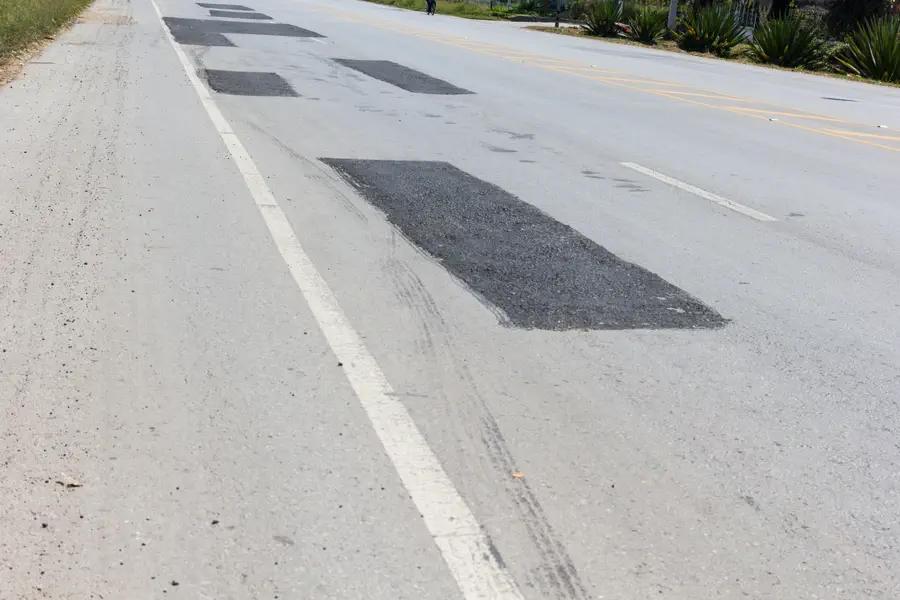
Pavement does not fail all at once. It breaks down step by step. A small crack lets in water. Water softens the base. Cars and trucks press down on that weak spot. Soon, the surface starts to crumble.
Asphalt patching stops this chain reaction. By fixing problem areas early, you keep the damage from moving outward. Think of it like fixing a small roof leak before it spreads across the ceiling. Fast action protects the whole surface.
Early Warning Signs
Many property owners miss the first signs of trouble. The pavement may still look fine from far away. Up close, you may see changes that point to future damage.
- Small cracks forming in straight or web-like patterns
- Loose gravel or rough spots on the surface
- Dark stains where water sits after rain
- Tiny dips or low areas in drive lanes
- Edges that begin to crumble near curbs
If you spot these signs, asphalt patching can likely solve the issue before it becomes a full pothole. Waiting too long gives water time to reach deeper layers.
Seasonal or Routine Checklist
Regular checks help you catch problems early. A simple routine keeps your lot or driveway in better shape year-round.
- Inspect pavement in early spring for winter damage.
- Check again after heavy rain for pooling water.
- Mark new cracks or weak spots with paint.
- Schedule patch repairs during dry weather.
- Seal coat after patching if needed for added protection.
Cold winters and hot summers both impact asphalt. Freeze-thaw cycles cause cracks to expand. Heat softens pavement and makes weak areas sink. Routine patch work blocks these effects before they spread.
Best Practices for Long-Term Results
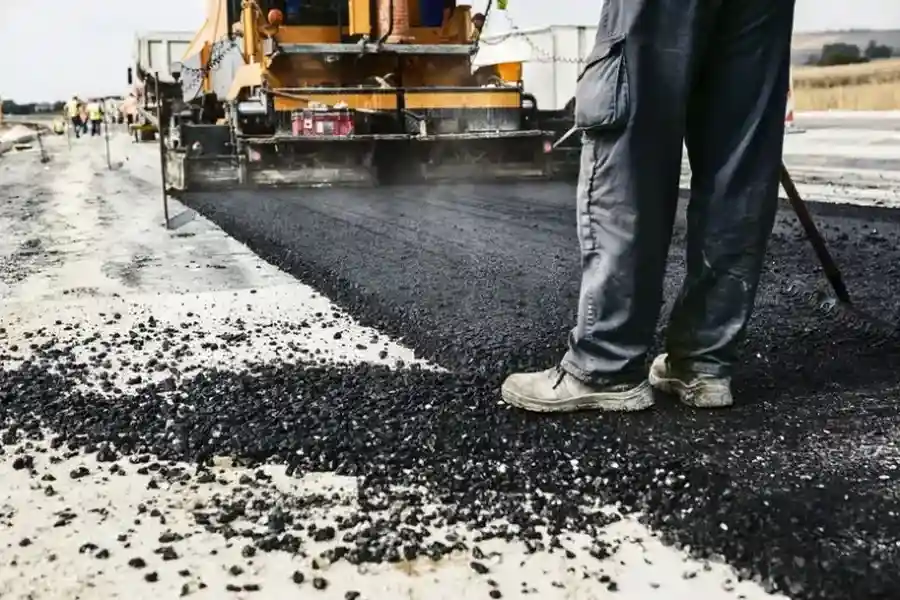
Not all repairs last if done the wrong way. Proper asphalt patching includes cleaning out debris, removing loose material, and compacting the new mix firmly. The patch must bond with the existing surface.
It also helps to fix drainage issues. Standing water will damage even the best patch. Sloping the pavement correctly and keeping drains clear supports long-term results.
Parking lots with heavy trucks may need thicker patches or stronger material. Residential driveways often require smaller repairs. Matching the repair method to traffic load makes a big difference.
What Not to Do
Some quick fixes may seem helpful but often lead to more damage.
- Do not pour loose filler into a wet crack.
- Do not patch over dirt or plant growth.
- Do not ignore soft spots under the surface.
- Do not wait until a pothole is several feet wide.
Covering damage without proper prep traps moisture inside. That speeds up deterioration instead of stopping it. A rushed repair may need to be redone within months.
When to Schedule Professional Help
Small hairline cracks can sometimes be sealed quickly. Larger damaged areas often need professional asphalt patching. If you see deep potholes, wide cracks, or sinking sections, it is smart to call for an inspection.
A trained crew can check the base layer and decide if a surface patch is enough. In some cases, removing and replacing a deeper section may be the better option. Taking action early keeps repair costs lower than full resurfacing.
Protect Your Pavement Before Damage Spreads
If you see cracks, potholes, or weak spots on your pavement in San Jose, CA, now is a good time to act. At Bayside Paving, we provide careful asphalt patching that helps stop damage before it spreads. Our team focuses on repairs that hold up under traffic and weather. Call us at (669) 202-6849 to schedule a visit and keep your pavement strong and safe for years to come.