Warning Signals That Your Pavement Cannot Wait
The key signs your asphalt needs immediate repair include deep cracks, potholes, pooling water, loose gravel, and areas that look sunken or crumbling. These problems may start small, but they can grow fast. If ignored, they can damage vehicles, create trip hazards, and lead to costly full replacement. Acting early can save time and money.
Common Symptoms You Should Not Ignore
Asphalt does not usually fail overnight. It gives clear warning signs. The problem is many property owners wait too long to act.
- Wide cracks that keep spreading
- Potholes forming in drive lanes or parking spots
- Standing water after rain
- Edges that are breaking apart
- Faded areas that look gray instead of black
- Sections that feel uneven when you walk or drive
If you notice more than one of these issues, your surface likely needs asphalt repair right away. Small cracks can quickly turn into large holes, especially after heavy rain or freezing weather.
What Causes Asphalt to Break Down
Understanding the cause helps you see why fast action matters. Asphalt is strong, but it is not indestructible.
Water is the biggest enemy. When water seeps into cracks, it softens the base layer. In colder months, that water can freeze and expand. This pushes the pavement apart.
Heavy vehicles also cause stress. Delivery trucks and work vans can press down on weak spots. Over time, the surface starts to sink or crumble.
Sunlight plays a role too. UV rays dry out the binder in asphalt. This leads to fading and brittleness. Once brittle, the surface cracks more easily.
Poor drainage, tree roots, and old age all add to the damage. Without proper maintenance and timely asphalt repair, even a small flaw can grow.
What to Check First
Before you assume the worst, do a basic visual check. Walk the area slowly.
- Look at the size and depth of cracks. Are they wider than a quarter inch?
- Check for soft spots by pressing with your foot.
- Notice if water stays longer than a day after rain.
- See if edges near grass or curbs are breaking off.
- Watch for loose stones on the surface.
If cracks are shallow and limited, simple crack filling may work. If you notice sinking, standing water, or large potholes, the base layer may be damaged. That calls for more advanced asphalt repair.
Safe Fixes Vs. Professional-Level Repairs
Some minor issues can be handled with store-bought patch products. Small surface cracks can be sealed to block water. This is a short-term fix and works best when caught early.
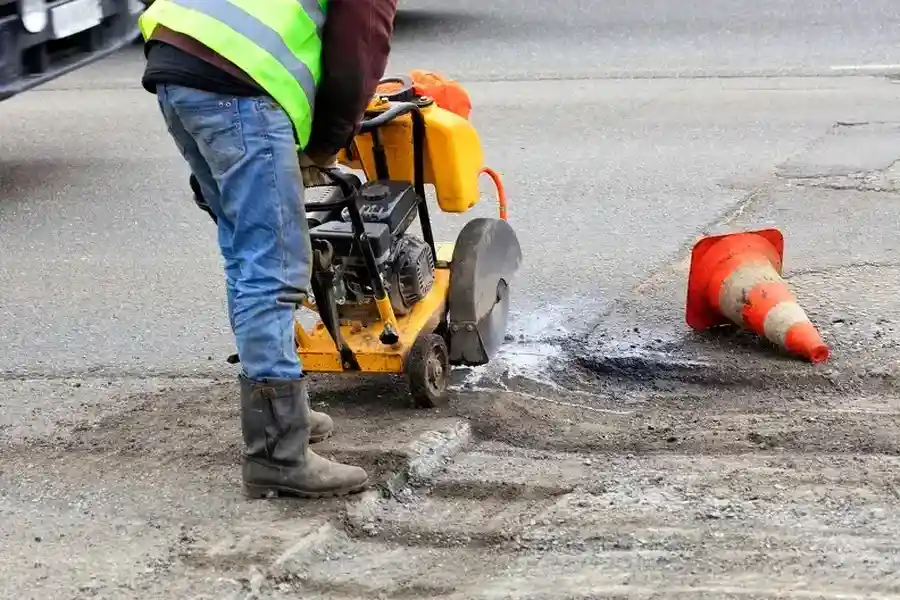
Deep cracks, wide gaps, or multiple potholes are different. These problems often require cutting out damaged pavement and replacing sections. If the base is weak, it must be rebuilt before new asphalt is installed.
Parking lots and commercial properties fall under paving and surface maintenance standards that may affect safety and liability. In these cases, quick and proper repair is even more urgent.
If the pavement is more than 20 years old and has large areas of alligator cracking, patchwork repairs may not last. A professional inspection can help decide the right plan.
How to Prevent Bigger Problems
Once repairs are made, prevention keeps your surface in better shape.
- Sealcoat every few years to protect from sun and water
- Keep drains clear so water can flow away
- Repair cracks as soon as they appear
- Avoid parking heavy equipment in the same spot daily
- Trim tree roots growing near edges
Routine checks each season can help you spot early warning signs. A quick fix today is far cheaper than replacing the entire surface later.
Get Help Before the Damage Spreads
If you are seeing spreading cracks, potholes, or sinking areas in San Jose, CA, do not wait for the damage to grow. At Bayside Paving, we provide reliable asphalt repair that fixes the problem at its source, not just the surface. We assess the condition, explain clear options, and complete repairs that help extend the life of your pavement. Call us at (669) 202-6849 to schedule an evaluation and protect your property before small issues turn into major repairs.