
A Clear Step-by-Step Overview of the Repair Process
If you are planning asphalt crack repair, you can expect a short inspection, simple prep work, filling and sealing of the cracks, and time for the surface to cure. Most jobs move quickly and cause little disruption. The goal is to stop water from getting under the surface and to extend the life of your pavement.
What Happens Before the Work Starts
Before any tools come out, the contractor will inspect the pavement. They look at the size of the cracks, how deep they go, and how many are present. Small hairline cracks need a different approach than wide or alligator-style cracking.
You may also be asked to move vehicles off the driveway or parking lot. The surface must be clear and dry. In some cases, repairs are planned around the weather since rain or freezing temperatures can affect the product used.
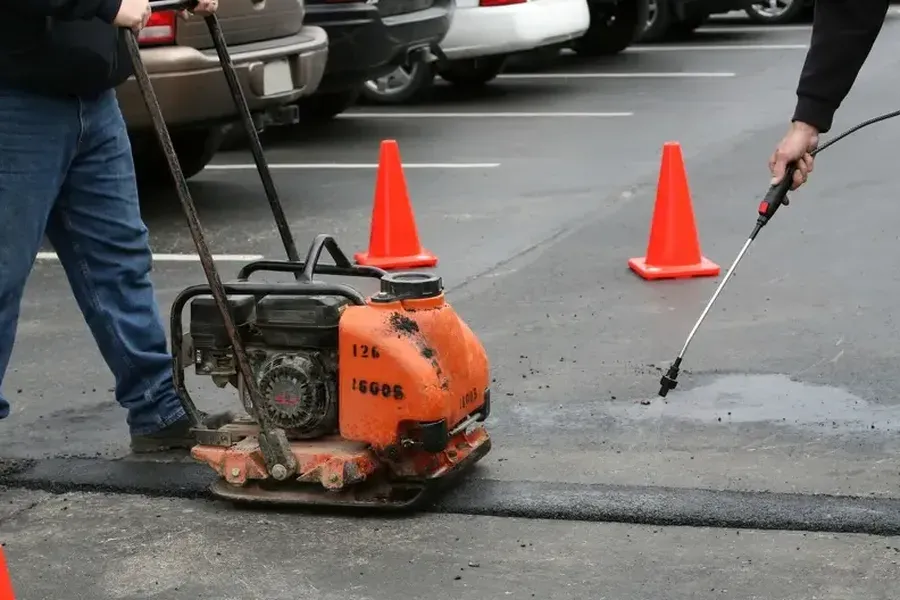
This quick prep stage helps the repair last longer and look cleaner once finished.
The Step-by-Step Asphalt Crack Repair Process
Each company may have small differences, but most follow the same basic steps:
- Cleaning the cracks: Dirt, weeds, and loose asphalt are removed. Contractors often use a wire brush, blower, or compressed air.
- Preparing the edges: For wider cracks, the edges may be shaped slightly to help the filler stick better.
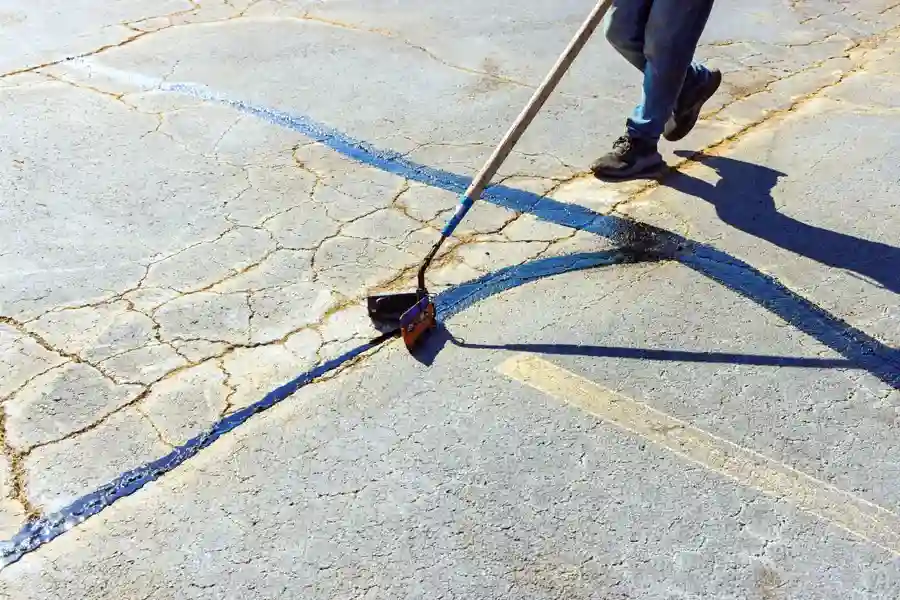
- Applying crack filler: A hot rubberized sealant or cold crack filler is poured into the gap.
- Smoothing the surface: The material is leveled off so it sits flush with the pavement.
- Allowing cure time: The area is left alone so the filler can harden properly.
For small residential driveways, this process may take just a few hours. Larger parking lots can take longer, especially if there are many cracks to treat.
What the Area Will Look Like After Repairs
Right after asphalt crack repair, you will see dark lines where the cracks were sealed. This is normal. Over time, the color will blend more with the rest of the pavement.
The surface should feel smooth to the touch. There should not be deep dips or raised edges. You may be able to walk on the area within a few hours, but driving on it usually requires a bit more time, depending on the product used.
Common Mistakes to Avoid
Some property owners try to rush the process or skip steps. That can lead to short-term results. Here are common mistakes:
- Filling cracks without cleaning them first
- Applying filler during wet or very cold weather
- Using the wrong type of crack sealant
- Driving on the surface before it fully cures
Even small errors can cause the filler to pull away or crack again. Proper prep and timing make a big difference.
How Long the Repairs Will Last
When done correctly, asphalt crack repair can last several years. The lifespan depends on traffic, weather, and the condition of the existing pavement. In areas with heavy rain or freezing winters, regular upkeep helps prevent future damage.
Sealing cracks early keeps water from seeping below the surface. Once water gets underneath, it can weaken the base and lead to potholes. That is why small cracks should not be ignored.
When to Call A Professional
Tiny hairline cracks can sometimes be treated with store-bought products. However, deeper or wider cracks often need professional equipment and materials.
You should contact a contractor if:
- Cracks are wider than one-quarter inch
- There are many cracks across the surface
- You see signs of base damage or sinking
- The pavement has alligator cracking
A trained crew can spot hidden issues and suggest the right fix. In some cases, crack repair may be paired with sealcoating or other asphalt services to protect the entire surface.
Plan Your Next Step
If you have cracked pavement in San Jose, CA, it is best to address it sooner rather than later. At Bayside Paving, we handle asphalt crack repair for driveways and parking lots of all sizes, and our team takes pride in clean, efficient work. Call us at (669) 202-6849 to schedule an inspection and let us help protect your pavement for years to come.